 English
 Kurmanji
 Arabic
 French
 فِارسي
 Deutsch
 Turkish
 Dutch
Dutch
 Russian
 Greek
Greek

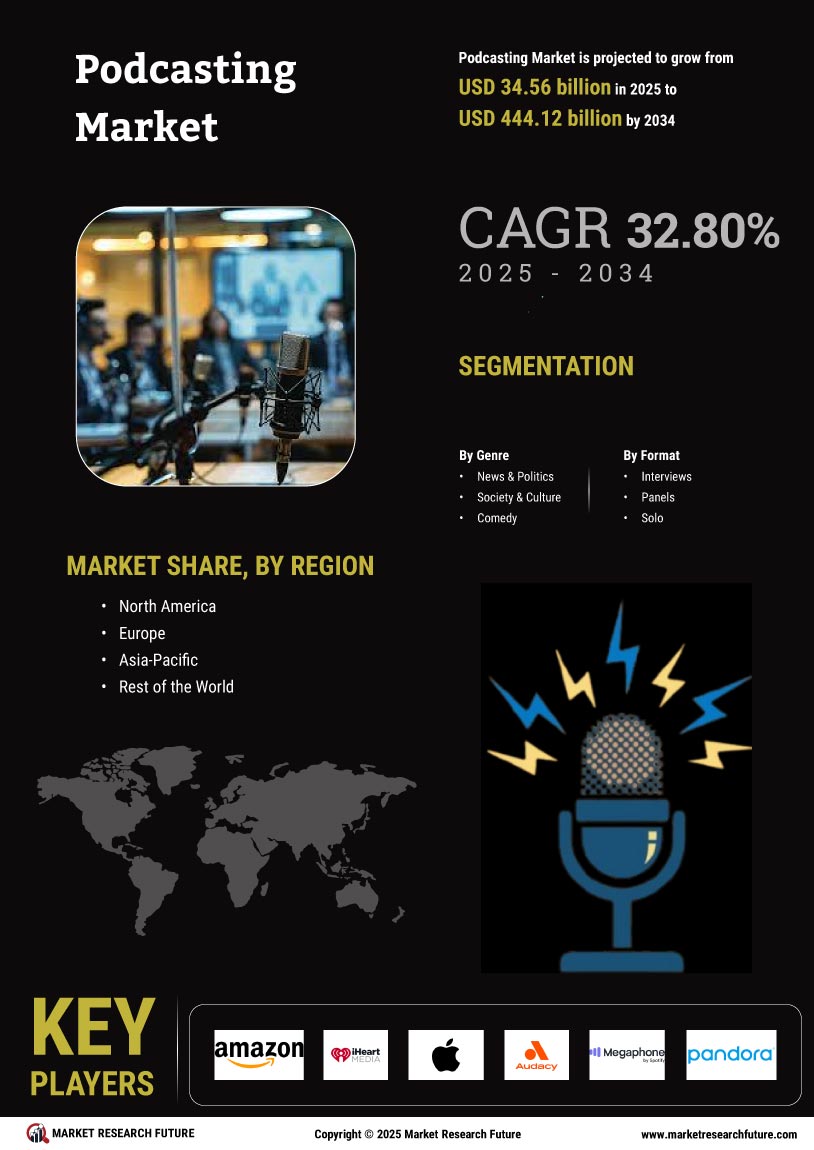
The podcasting market is constantly evolving, driven by technological advancements and changing consumer preferences. As we look to the future, several trends are shaping the landscape of podcasting and the way audiences engage with audio content.
One of the most notable emerging trends in the podcasting market is the rise of interactive podcasts. Leveraging advancements in voice technology and artificial intelligence, some podcasters are experimenting with interactive elements that allow listeners to actively participate in the content. This could include features like voice-controlled navigation, real-time polls and quizzes, or even the ability to influence the narrative direction of a story-driven podcast.
These interactive experiences not only enhance listener engagement but also open up new avenues for monetization, such as premium subscriptions or in-episode purchases. As audiences become more accustomed to interactive content across various media platforms, the demand for immersive and participatory podcast experiences is likely to grow.
Another trend shaping the future of the podcasting market is the advancement in audio technology. Innovations in areas like spatial audio, high-definition recording, and voice enhancement are elevating the overall listening experience. Podcasters are now able to create more immersive and cinematic audio environments, transporting listeners to different settings or even simulating the presence of multiple speakers.
These technological advancements not only improve the production quality of podcasts but also enable creators to experiment with new storytelling techniques and audio formats. As listeners become more discerning and accustomed to high-fidelity audio, the pressure on podcasters to deliver exceptional sound quality will continue to increase.
The growing importance of data analytics in the podcasting market is another trend worth noting. As the industry matures, creators and advertisers are placing greater emphasis on understanding listener behavior, preferences, and engagement metrics. By leveraging data-driven insights, podcasters can make more informed decisions about content strategy, audience targeting, and monetization opportunities.
Platforms like Spotify and Apple Podcasts are leading the charge in this regard, providing podcasters with detailed analytics on listener demographics, episode performance, and advertising effectiveness. This data-driven approach allows creators to optimize their content, identify emerging trends, and better serve the evolving needs of their audience.
Furthermore, the integration of podcasts with other digital platforms and technologies is expected to shape the future of the market. The seamless integration of podcasts with smart speakers, in-car infotainment systems, and even social media platforms can enhance discoverability and facilitate more natural consumption habits.
As voice-activated assistants like Alexa and Google Assistant become more prevalent, the ability to discover, play, and interact with podcasts through voice commands will become increasingly important. Podcasters who adapt their content and distribution strategies to these emerging platforms will be well-positioned to capitalize on the growing demand for voice-enabled audio experiences.@https://www.marketresearchfuture.com/reports/podcasting-market-11678
One of the most notable emerging trends in the podcasting market is the rise of interactive podcasts. Leveraging advancements in voice technology and artificial intelligence, some podcasters are experimenting with interactive elements that allow listeners to actively participate in the content. This could include features like voice-controlled navigation, real-time polls and quizzes, or even the ability to influence the narrative direction of a story-driven podcast.
These interactive experiences not only enhance listener engagement but also open up new avenues for monetization, such as premium subscriptions or in-episode purchases. As audiences become more accustomed to interactive content across various media platforms, the demand for immersive and participatory podcast experiences is likely to grow.
Another trend shaping the future of the podcasting market is the advancement in audio technology. Innovations in areas like spatial audio, high-definition recording, and voice enhancement are elevating the overall listening experience. Podcasters are now able to create more immersive and cinematic audio environments, transporting listeners to different settings or even simulating the presence of multiple speakers.
These technological advancements not only improve the production quality of podcasts but also enable creators to experiment with new storytelling techniques and audio formats. As listeners become more discerning and accustomed to high-fidelity audio, the pressure on podcasters to deliver exceptional sound quality will continue to increase.
The growing importance of data analytics in the podcasting market is another trend worth noting. As the industry matures, creators and advertisers are placing greater emphasis on understanding listener behavior, preferences, and engagement metrics. By leveraging data-driven insights, podcasters can make more informed decisions about content strategy, audience targeting, and monetization opportunities.
Platforms like Spotify and Apple Podcasts are leading the charge in this regard, providing podcasters with detailed analytics on listener demographics, episode performance, and advertising effectiveness. This data-driven approach allows creators to optimize their content, identify emerging trends, and better serve the evolving needs of their audience.
Furthermore, the integration of podcasts with other digital platforms and technologies is expected to shape the future of the market. The seamless integration of podcasts with smart speakers, in-car infotainment systems, and even social media platforms can enhance discoverability and facilitate more natural consumption habits.
As voice-activated assistants like Alexa and Google Assistant become more prevalent, the ability to discover, play, and interact with podcasts through voice commands will become increasingly important. Podcasters who adapt their content and distribution strategies to these emerging platforms will be well-positioned to capitalize on the growing demand for voice-enabled audio experiences.@https://www.marketresearchfuture.com/reports/podcasting-market-11678
The podcasting market is constantly evolving, driven by technological advancements and changing consumer preferences. As we look to the future, several trends are shaping the landscape of podcasting and the way audiences engage with audio content.
One of the most notable emerging trends in the podcasting market is the rise of interactive podcasts. Leveraging advancements in voice technology and artificial intelligence, some podcasters are experimenting with interactive elements that allow listeners to actively participate in the content. This could include features like voice-controlled navigation, real-time polls and quizzes, or even the ability to influence the narrative direction of a story-driven podcast.
These interactive experiences not only enhance listener engagement but also open up new avenues for monetization, such as premium subscriptions or in-episode purchases. As audiences become more accustomed to interactive content across various media platforms, the demand for immersive and participatory podcast experiences is likely to grow.
Another trend shaping the future of the podcasting market is the advancement in audio technology. Innovations in areas like spatial audio, high-definition recording, and voice enhancement are elevating the overall listening experience. Podcasters are now able to create more immersive and cinematic audio environments, transporting listeners to different settings or even simulating the presence of multiple speakers.
These technological advancements not only improve the production quality of podcasts but also enable creators to experiment with new storytelling techniques and audio formats. As listeners become more discerning and accustomed to high-fidelity audio, the pressure on podcasters to deliver exceptional sound quality will continue to increase.
The growing importance of data analytics in the podcasting market is another trend worth noting. As the industry matures, creators and advertisers are placing greater emphasis on understanding listener behavior, preferences, and engagement metrics. By leveraging data-driven insights, podcasters can make more informed decisions about content strategy, audience targeting, and monetization opportunities.
Platforms like Spotify and Apple Podcasts are leading the charge in this regard, providing podcasters with detailed analytics on listener demographics, episode performance, and advertising effectiveness. This data-driven approach allows creators to optimize their content, identify emerging trends, and better serve the evolving needs of their audience.
Furthermore, the integration of podcasts with other digital platforms and technologies is expected to shape the future of the market. The seamless integration of podcasts with smart speakers, in-car infotainment systems, and even social media platforms can enhance discoverability and facilitate more natural consumption habits.
As voice-activated assistants like Alexa and Google Assistant become more prevalent, the ability to discover, play, and interact with podcasts through voice commands will become increasingly important. Podcasters who adapt their content and distribution strategies to these emerging platforms will be well-positioned to capitalize on the growing demand for voice-enabled audio experiences.@https://www.marketresearchfuture.com/reports/podcasting-market-11678
·1K Views