 English
 Kurmanji
 Arabic
 French
 فِارسي
 Deutsch
 Turkish
 Dutch
Dutch
 Russian
 Greek
Greek

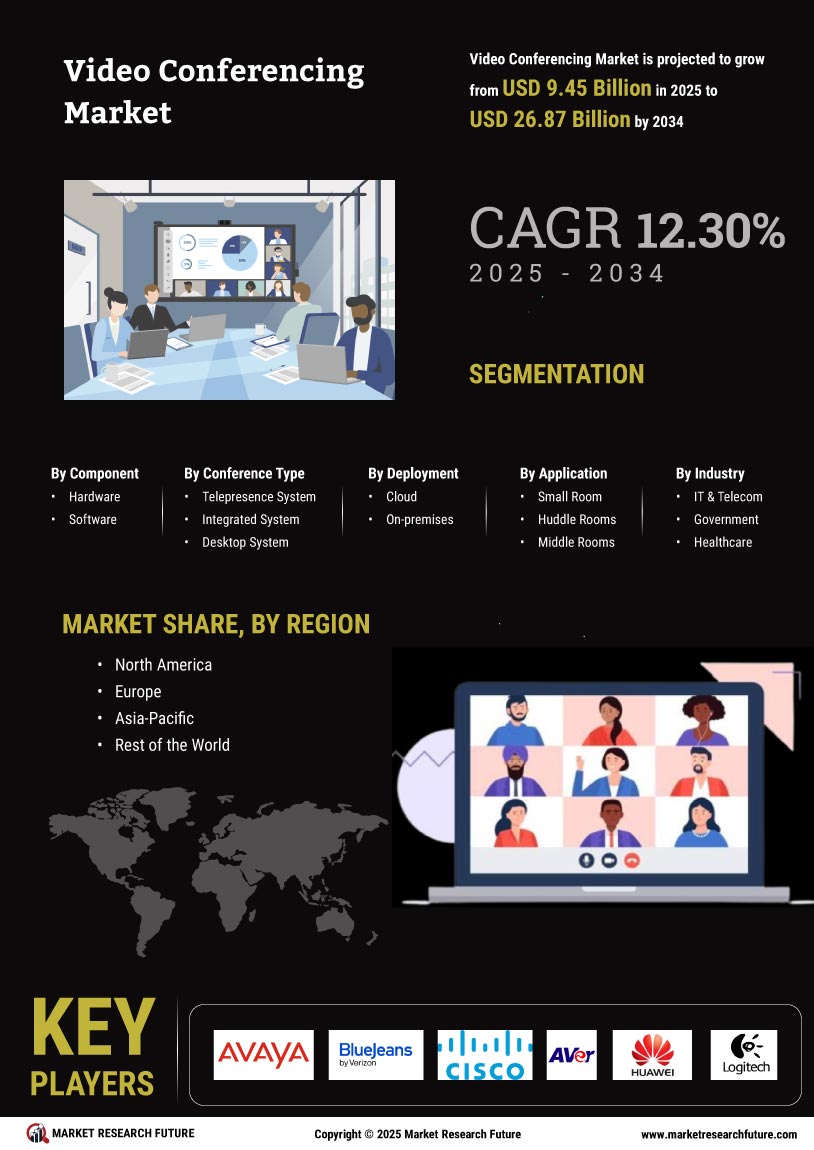
The video conferencing market has experienced unprecedented growth due to the COVID-19 pandemic, which forced organizations and individuals to adapt to remote communication. As lockdowns and social distancing measures were implemented worldwide, video conferencing emerged as a vital tool for maintaining connectivity and collaboration. This article examines the impact of COVID-19 on the video conferencing market and the lasting changes it has brought.
In the early months of the pandemic, video conferencing platforms saw a surge in usage as businesses transitioned to remote work. Companies that had previously relied on in-person meetings quickly adopted video conferencing solutions to facilitate communication and collaboration. This sudden shift led to a significant increase in demand for platforms like Zoom, Microsoft Teams, and Cisco Webex, which became household names almost overnight.
The pandemic also accelerated the adoption of video conferencing in sectors that had previously been hesitant to embrace remote communication. For example, educational institutions rapidly transitioned to online learning, relying on video conferencing tools to conduct virtual classes and engage with students. This shift not only highlighted the importance of video conferencing in education but also demonstrated its potential for enhancing learning experiences.
As organizations adapted to remote work, they began to recognize the benefits of video conferencing beyond mere communication. Video conferencing solutions enabled teams to maintain productivity, foster collaboration, and build relationships despite physical distance. Many companies discovered that virtual meetings could be just as effective as in-person gatherings, leading to a reevaluation of traditional work practices.
The COVID-19 pandemic also prompted innovations in video conferencing technology. Companies responded to the surge in demand by rapidly developing new features and enhancements to improve user experience. For instance, platforms introduced features such as virtual backgrounds, breakout rooms, and enhanced security measures to address the unique challenges posed by remote communication. These innovations have become standard offerings, shaping the future of video conferencing.
Looking ahead, the impact of COVID-19 on the video conferencing market is likely to be long-lasting. As organizations consider hybrid work models that combine remote and in-person interactions, the demand for video conferencing solutions will remain strong. Companies are expected to continue investing in video conferencing technology to support flexible work arrangements and maintain effective communication.
In conclusion, the COVID-19 pandemic has fundamentally transformed the video conferencing market, driving unprecedented growth and innovation. As organizations adapt to new communication paradigms, the lessons learned during this period will shape the future of work. Video conferencing will continue to play a crucial role in facilitating collaboration and connectivity, making it an indispensable tool for businesses and individuals alike.@https://www.marketresearchfuture.com/reports/video-conferencing-market-12044
In the early months of the pandemic, video conferencing platforms saw a surge in usage as businesses transitioned to remote work. Companies that had previously relied on in-person meetings quickly adopted video conferencing solutions to facilitate communication and collaboration. This sudden shift led to a significant increase in demand for platforms like Zoom, Microsoft Teams, and Cisco Webex, which became household names almost overnight.
The pandemic also accelerated the adoption of video conferencing in sectors that had previously been hesitant to embrace remote communication. For example, educational institutions rapidly transitioned to online learning, relying on video conferencing tools to conduct virtual classes and engage with students. This shift not only highlighted the importance of video conferencing in education but also demonstrated its potential for enhancing learning experiences.
As organizations adapted to remote work, they began to recognize the benefits of video conferencing beyond mere communication. Video conferencing solutions enabled teams to maintain productivity, foster collaboration, and build relationships despite physical distance. Many companies discovered that virtual meetings could be just as effective as in-person gatherings, leading to a reevaluation of traditional work practices.
The COVID-19 pandemic also prompted innovations in video conferencing technology. Companies responded to the surge in demand by rapidly developing new features and enhancements to improve user experience. For instance, platforms introduced features such as virtual backgrounds, breakout rooms, and enhanced security measures to address the unique challenges posed by remote communication. These innovations have become standard offerings, shaping the future of video conferencing.
Looking ahead, the impact of COVID-19 on the video conferencing market is likely to be long-lasting. As organizations consider hybrid work models that combine remote and in-person interactions, the demand for video conferencing solutions will remain strong. Companies are expected to continue investing in video conferencing technology to support flexible work arrangements and maintain effective communication.
In conclusion, the COVID-19 pandemic has fundamentally transformed the video conferencing market, driving unprecedented growth and innovation. As organizations adapt to new communication paradigms, the lessons learned during this period will shape the future of work. Video conferencing will continue to play a crucial role in facilitating collaboration and connectivity, making it an indispensable tool for businesses and individuals alike.@https://www.marketresearchfuture.com/reports/video-conferencing-market-12044
The video conferencing market has experienced unprecedented growth due to the COVID-19 pandemic, which forced organizations and individuals to adapt to remote communication. As lockdowns and social distancing measures were implemented worldwide, video conferencing emerged as a vital tool for maintaining connectivity and collaboration. This article examines the impact of COVID-19 on the video conferencing market and the lasting changes it has brought.
In the early months of the pandemic, video conferencing platforms saw a surge in usage as businesses transitioned to remote work. Companies that had previously relied on in-person meetings quickly adopted video conferencing solutions to facilitate communication and collaboration. This sudden shift led to a significant increase in demand for platforms like Zoom, Microsoft Teams, and Cisco Webex, which became household names almost overnight.
The pandemic also accelerated the adoption of video conferencing in sectors that had previously been hesitant to embrace remote communication. For example, educational institutions rapidly transitioned to online learning, relying on video conferencing tools to conduct virtual classes and engage with students. This shift not only highlighted the importance of video conferencing in education but also demonstrated its potential for enhancing learning experiences.
As organizations adapted to remote work, they began to recognize the benefits of video conferencing beyond mere communication. Video conferencing solutions enabled teams to maintain productivity, foster collaboration, and build relationships despite physical distance. Many companies discovered that virtual meetings could be just as effective as in-person gatherings, leading to a reevaluation of traditional work practices.
The COVID-19 pandemic also prompted innovations in video conferencing technology. Companies responded to the surge in demand by rapidly developing new features and enhancements to improve user experience. For instance, platforms introduced features such as virtual backgrounds, breakout rooms, and enhanced security measures to address the unique challenges posed by remote communication. These innovations have become standard offerings, shaping the future of video conferencing.
Looking ahead, the impact of COVID-19 on the video conferencing market is likely to be long-lasting. As organizations consider hybrid work models that combine remote and in-person interactions, the demand for video conferencing solutions will remain strong. Companies are expected to continue investing in video conferencing technology to support flexible work arrangements and maintain effective communication.
In conclusion, the COVID-19 pandemic has fundamentally transformed the video conferencing market, driving unprecedented growth and innovation. As organizations adapt to new communication paradigms, the lessons learned during this period will shape the future of work. Video conferencing will continue to play a crucial role in facilitating collaboration and connectivity, making it an indispensable tool for businesses and individuals alike.@https://www.marketresearchfuture.com/reports/video-conferencing-market-12044
·1K Views