• Iris recognition technology is transforming the financial services sector by providing a secure and efficient method for customer identification and access control. The Iris Recognition Market is experiencing significant growth as banks and financial institutions seek to enhance security measures and improve customer experiences. With the rise of digital banking and increasing concerns over fraud, iris recognition offers a reliable solution for verifying identities.

    One of the primary applications of iris recognition in financial services is in customer authentication. As online banking becomes more prevalent, the need for secure authentication methods has never been more critical. Traditional methods, such as passwords and security questions, are often vulnerable to hacking and identity theft. In contrast, iris recognition provides a biometric solution that is difficult to replicate, ensuring that only authorized individuals can access their accounts.

    Financial institutions are increasingly adopting iris recognition technology at ATMs and branch locations. By integrating iris scanners into their systems, banks can offer customers a seamless and secure way to authenticate their identities. This not only enhances security but also improves the overall customer experience by reducing the need for physical cards or PINs. Customers can simply look into the iris scanner to gain access to their accounts, making transactions faster and more convenient.

    Moreover, iris recognition technology can help financial institutions comply with regulatory requirements related to Know Your Customer (KYC) and anti-money laundering (AML) practices. By accurately identifying customers through their unique iris patterns, banks can ensure that they are meeting compliance standards and reducing the risk of fraudulent activities. This is particularly important in an era where regulatory scrutiny is increasing, and financial institutions must demonstrate their commitment to preventing fraud.

    The implementation of iris recognition technology also enhances security within financial institutions. With the growing threat of cyberattacks and data breaches, banks must take proactive measures to protect sensitive customer information. By using iris recognition for access control to secure areas, such as data centers and vaults, financial institutions can prevent unauthorized access and safeguard critical data.

    Despite the numerous advantages, the adoption of iris recognition technology in financial services is not without challenges. Privacy concerns are a significant issue, as customers may be apprehensive about their biometric data being collected and stored. Financial institutions must address these concerns by being transparent about how biometric data will be used and implementing strong data protection measures. Building trust with customers is essential for the successful implementation of iris recognition systems.

    Additionally, the cost of implementing iris recognition technology can be a barrier for some financial institutions, particularly smaller banks and credit unions. However, as technology advances and becomes more affordable, it is likely that more institutions will adopt iris recognition as a standard practice for customer authentication.

    Looking to the future, the potential for iris recognition technology in financial services is vast. As the technology continues to evolve, we can expect further enhancements in accuracy and efficiency. Innovations such as mobile iris recognition applications will allow customers to authenticate their identities from their devices, providing even greater convenience and security.

    Furthermore, the integration of iris recognition with other biometric modalities, such as fingerprint recognition and facial recognition, can create a comprehensive security framework for financial institutions. This multi-modal approach can enhance overall security and provide customers with a seamless experience across various platforms.

    In conclusion, iris recognition technology is poised to play a crucial role in the financial services sector by enhancing security, improving customer experiences, and ensuring compliance with regulatory requirements. As the iris recognition market continues to grow, financial institutions that embrace this technology will be better equipped to address the challenges of a rapidly changing landscape and provide secure, efficient services to their customers.@https://www.marketresearchfuture.com/reports/iris-recognition-market-2430
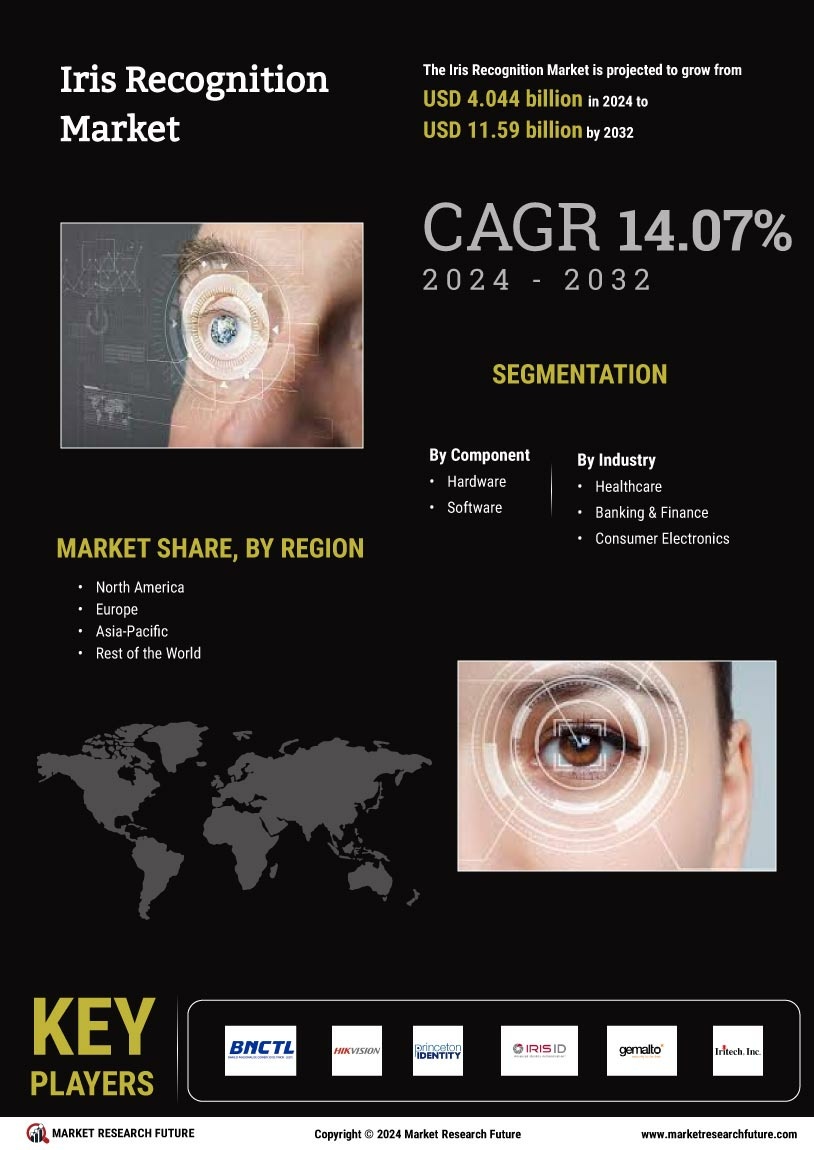
    Iris recognition technology is transforming the financial services sector by providing a secure and efficient method for customer identification and access control. The Iris Recognition Market is experiencing significant growth as banks and financial institutions seek to enhance security measures and improve customer experiences. With the rise of digital banking and increasing concerns over fraud, iris recognition offers a reliable solution for verifying identities. One of the primary applications of iris recognition in financial services is in customer authentication. As online banking becomes more prevalent, the need for secure authentication methods has never been more critical. Traditional methods, such as passwords and security questions, are often vulnerable to hacking and identity theft. In contrast, iris recognition provides a biometric solution that is difficult to replicate, ensuring that only authorized individuals can access their accounts. Financial institutions are increasingly adopting iris recognition technology at ATMs and branch locations. By integrating iris scanners into their systems, banks can offer customers a seamless and secure way to authenticate their identities. This not only enhances security but also improves the overall customer experience by reducing the need for physical cards or PINs. Customers can simply look into the iris scanner to gain access to their accounts, making transactions faster and more convenient. Moreover, iris recognition technology can help financial institutions comply with regulatory requirements related to Know Your Customer (KYC) and anti-money laundering (AML) practices. By accurately identifying customers through their unique iris patterns, banks can ensure that they are meeting compliance standards and reducing the risk of fraudulent activities. This is particularly important in an era where regulatory scrutiny is increasing, and financial institutions must demonstrate their commitment to preventing fraud. The implementation of iris recognition technology also enhances security within financial institutions. With the growing threat of cyberattacks and data breaches, banks must take proactive measures to protect sensitive customer information. By using iris recognition for access control to secure areas, such as data centers and vaults, financial institutions can prevent unauthorized access and safeguard critical data. Despite the numerous advantages, the adoption of iris recognition technology in financial services is not without challenges. Privacy concerns are a significant issue, as customers may be apprehensive about their biometric data being collected and stored. Financial institutions must address these concerns by being transparent about how biometric data will be used and implementing strong data protection measures. Building trust with customers is essential for the successful implementation of iris recognition systems. Additionally, the cost of implementing iris recognition technology can be a barrier for some financial institutions, particularly smaller banks and credit unions. However, as technology advances and becomes more affordable, it is likely that more institutions will adopt iris recognition as a standard practice for customer authentication. Looking to the future, the potential for iris recognition technology in financial services is vast. As the technology continues to evolve, we can expect further enhancements in accuracy and efficiency. Innovations such as mobile iris recognition applications will allow customers to authenticate their identities from their devices, providing even greater convenience and security. Furthermore, the integration of iris recognition with other biometric modalities, such as fingerprint recognition and facial recognition, can create a comprehensive security framework for financial institutions. This multi-modal approach can enhance overall security and provide customers with a seamless experience across various platforms. In conclusion, iris recognition technology is poised to play a crucial role in the financial services sector by enhancing security, improving customer experiences, and ensuring compliance with regulatory requirements. As the iris recognition market continues to grow, financial institutions that embrace this technology will be better equipped to address the challenges of a rapidly changing landscape and provide secure, efficient services to their customers.@https://www.marketresearchfuture.com/reports/iris-recognition-market-2430
    WWW.MARKETRESEARCHFUTURE.COM
    Iris Recognition Market Size, Share, Trends | Forecast Till 2035
    Iris Recognition Market is Expected to Reach a Valuation of $ 17.21B by 2035, Growing at a CAGR of 14.07% During 2025 - 2035 | Demand For Low-Latency Processing
    0 Reacties 0 aandelen 816 Views
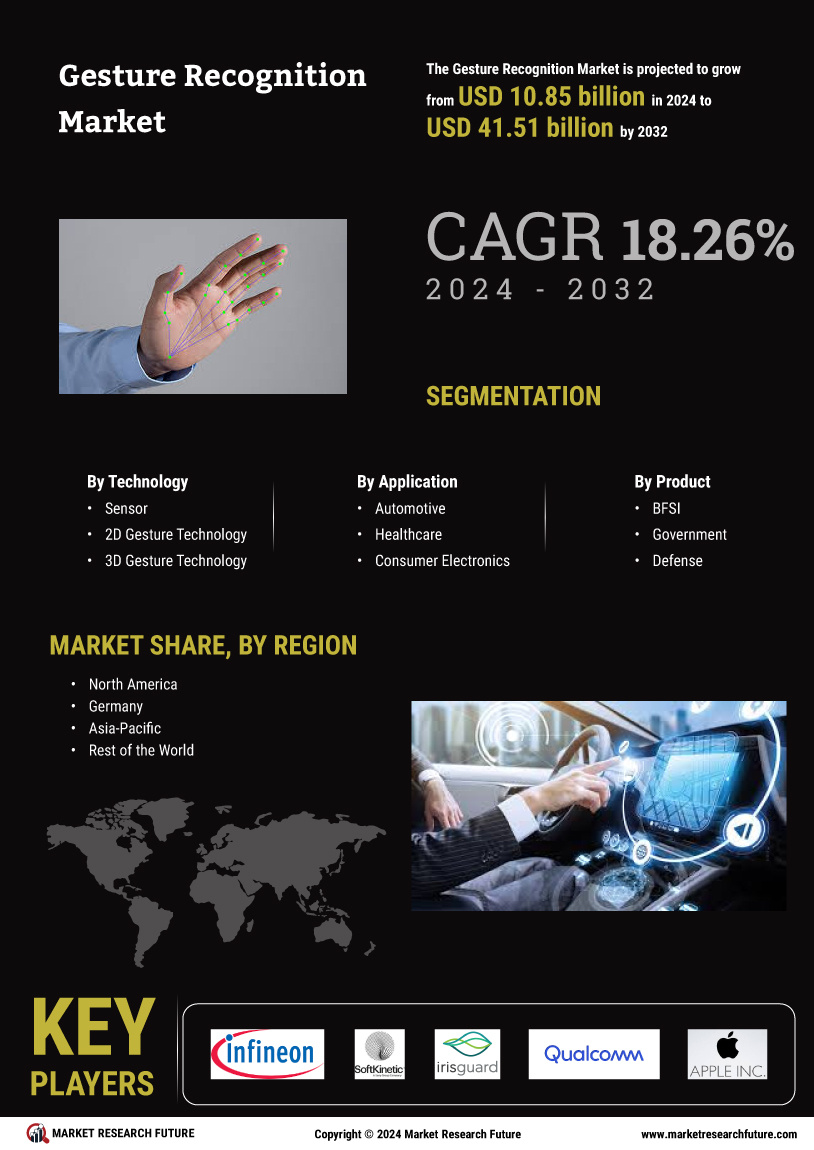
  • The Gesture Recognition Market
    is witnessing transformative growth as industries embrace touchless technologies for enhanced user interaction. Gesture recognition allows devices to understand human motions, making digital experiences more natural and intuitive. The increasing demand for smart devices, AI-driven interfaces, and contactless solutions is fueling global market expansion.

    Consumer electronics remain the primary application area, with smartphones, smart TVs, and wearable devices incorporating gesture-based controls. Gaming companies leverage these systems for immersive and interactive experiences, while the healthcare industry adopts them to minimize physical contact and streamline operations. Automotive manufacturers use gesture recognition for in-car infotainment and safety applications, ensuring convenient and secure vehicle control.

    Advancements in sensor technologies, including infrared, LiDAR, and depth-sensing cameras, have greatly improved recognition accuracy. AI and machine learning algorithms enable systems to adapt to user behavior, providing personalized and responsive interactions. Integration with AR/VR platforms, smart homes, and IoT devices further enhances functionality and market appeal.

    Major market players are investing in research and development to create highly accurate, scalable, and cost-effective solutions. Startups also contribute with specialized offerings for industrial automation, retail, robotics, and education. Cloud computing and edge AI provide real-time gesture analysis, reducing latency and enhancing performance in critical applications.

    Challenges such as high implementation costs, integration complexity, and data privacy concerns remain. Motion tracking involves sensitive biometric data, and regulatory compliance is essential. Despite these barriers, ongoing innovation in AI and sensor technologies is expected to lower costs and expand adoption across industries.

    Regionally, North America dominates due to early adoption, strong infrastructure, and high investment in AI and smart devices. Europe is witnessing steady growth, driven by smart manufacturing and automotive technology integration. The Asia-Pacific region offers immense potential due to a large consumer base, expanding gaming and electronics markets, and government support for digital innovation.

    Future developments indicate multi-modal interfaces that combine gesture recognition with voice, facial recognition, and IoT integration. These systems will enable seamless, intuitive, and immersive interactions across diverse applications, positioning the Gesture Recognition Market for continued long-term growth.@https://www.marketresearchfuture.com/reports/gesture-recognition-market-5244
    The Gesture Recognition Market is witnessing transformative growth as industries embrace touchless technologies for enhanced user interaction. Gesture recognition allows devices to understand human motions, making digital experiences more natural and intuitive. The increasing demand for smart devices, AI-driven interfaces, and contactless solutions is fueling global market expansion. Consumer electronics remain the primary application area, with smartphones, smart TVs, and wearable devices incorporating gesture-based controls. Gaming companies leverage these systems for immersive and interactive experiences, while the healthcare industry adopts them to minimize physical contact and streamline operations. Automotive manufacturers use gesture recognition for in-car infotainment and safety applications, ensuring convenient and secure vehicle control. Advancements in sensor technologies, including infrared, LiDAR, and depth-sensing cameras, have greatly improved recognition accuracy. AI and machine learning algorithms enable systems to adapt to user behavior, providing personalized and responsive interactions. Integration with AR/VR platforms, smart homes, and IoT devices further enhances functionality and market appeal. Major market players are investing in research and development to create highly accurate, scalable, and cost-effective solutions. Startups also contribute with specialized offerings for industrial automation, retail, robotics, and education. Cloud computing and edge AI provide real-time gesture analysis, reducing latency and enhancing performance in critical applications. Challenges such as high implementation costs, integration complexity, and data privacy concerns remain. Motion tracking involves sensitive biometric data, and regulatory compliance is essential. Despite these barriers, ongoing innovation in AI and sensor technologies is expected to lower costs and expand adoption across industries. Regionally, North America dominates due to early adoption, strong infrastructure, and high investment in AI and smart devices. Europe is witnessing steady growth, driven by smart manufacturing and automotive technology integration. The Asia-Pacific region offers immense potential due to a large consumer base, expanding gaming and electronics markets, and government support for digital innovation. Future developments indicate multi-modal interfaces that combine gesture recognition with voice, facial recognition, and IoT integration. These systems will enable seamless, intuitive, and immersive interactions across diverse applications, positioning the Gesture Recognition Market for continued long-term growth.@https://www.marketresearchfuture.com/reports/gesture-recognition-market-5244
    WWW.MARKETRESEARCHFUTURE.COM
    Gesture Recognition Market Size, Share, Trends- Forecast 2035
    Gesture Recognition Market is Estimated to Reach a Valuation of $ 68.66B By 2035, Reaching at a CAGR of 18.26% During 2025 - 2035 | Sustainable Practices Strengthen Market
    0 Reacties 0 aandelen 865 Views
  • The Storage as a Service Market is increasingly being influenced by advancements in artificial intelligence (AI) and machine learning (ML). These technologies are transforming how organizations manage their data and optimize their storage solutions. This article explores the role of AI in the storage as a service market, highlighting its benefits, applications, and potential future developments.

    AI and ML technologies can significantly enhance data management processes within storage as a service solutions. By leveraging algorithms that analyze data patterns, organizations can optimize their storage strategies, improving efficiency and reducing costs. For instance, AI can predict storage needs based on historical data usage patterns, allowing businesses to scale their storage resources proactively. This predictive capability ensures that organizations have the necessary storage capacity to accommodate fluctuations in data volume without incurring unnecessary expenses.

    Moreover, AI can improve data security within storage solutions. By utilizing machine learning algorithms, organizations can identify and respond to potential security threats in real-time. AI-driven security systems can detect unusual patterns of access or data transfer, alerting administrators to potential breaches before they escalate. This proactive approach to security can significantly reduce the risk of data loss and enhance overall data protection.

    Another application of AI in the storage as a service market is automating routine tasks. Many storage providers are incorporating AI-driven automation tools to streamline data management processes. For example, AI can automate data backups, archiving, and retrieval processes, freeing up IT staff to focus on more strategic initiatives. This automation not only improves operational efficiency but also reduces the likelihood of human error, enhancing data integrity.

    As AI technologies continue to evolve, their integration into storage as a service solutions is expected to expand. Future developments may include advanced analytics capabilities that provide organizations with deeper insights into their data usage and storage needs. By harnessing these insights, businesses can make more informed decisions regarding their data management strategies, ultimately driving innovation and growth.

    In conclusion, artificial intelligence is playing an increasingly vital role in the storage as a service market. By enhancing data management processes, improving security, and automating routine tasks, AI technologies are helping organizations optimize their storage solutions. As businesses continue to embrace digital transformation, the integration of AI into storage as a service offerings will be essential for staying competitive in the evolving data landscape.@https://www.marketresearchfuture.com/reports/storage-as-a-service-market-26488
    The Storage as a Service Market is increasingly being influenced by advancements in artificial intelligence (AI) and machine learning (ML). These technologies are transforming how organizations manage their data and optimize their storage solutions. This article explores the role of AI in the storage as a service market, highlighting its benefits, applications, and potential future developments. AI and ML technologies can significantly enhance data management processes within storage as a service solutions. By leveraging algorithms that analyze data patterns, organizations can optimize their storage strategies, improving efficiency and reducing costs. For instance, AI can predict storage needs based on historical data usage patterns, allowing businesses to scale their storage resources proactively. This predictive capability ensures that organizations have the necessary storage capacity to accommodate fluctuations in data volume without incurring unnecessary expenses. Moreover, AI can improve data security within storage solutions. By utilizing machine learning algorithms, organizations can identify and respond to potential security threats in real-time. AI-driven security systems can detect unusual patterns of access or data transfer, alerting administrators to potential breaches before they escalate. This proactive approach to security can significantly reduce the risk of data loss and enhance overall data protection. Another application of AI in the storage as a service market is automating routine tasks. Many storage providers are incorporating AI-driven automation tools to streamline data management processes. For example, AI can automate data backups, archiving, and retrieval processes, freeing up IT staff to focus on more strategic initiatives. This automation not only improves operational efficiency but also reduces the likelihood of human error, enhancing data integrity. As AI technologies continue to evolve, their integration into storage as a service solutions is expected to expand. Future developments may include advanced analytics capabilities that provide organizations with deeper insights into their data usage and storage needs. By harnessing these insights, businesses can make more informed decisions regarding their data management strategies, ultimately driving innovation and growth. In conclusion, artificial intelligence is playing an increasingly vital role in the storage as a service market. By enhancing data management processes, improving security, and automating routine tasks, AI technologies are helping organizations optimize their storage solutions. As businesses continue to embrace digital transformation, the integration of AI into storage as a service offerings will be essential for staying competitive in the evolving data landscape.@https://www.marketresearchfuture.com/reports/storage-as-a-service-market-26488
    WWW.MARKETRESEARCHFUTURE.COM
    Storage As A Service Market Size | Industry Forecast 2035
    Storage As A Service Market Is Projected To Reach a Valuation of $ 480.48B by 2035, Growing at a CAGR of 17.72% During 2025 - 2035 | Increasing Elderly Population
    0 Reacties 0 aandelen 617 Views
  • The Website Builder Tool Market is reshaping how businesses, creatives, and individuals approach web development. Traditional website creation often involved hiring developers, learning coding languages, and spending months on design and testing. Modern website builder tools eliminate these barriers by offering intuitive platforms with drag-and-drop interfaces, pre-made templates, and built-in functionalities for e-commerce, SEO, and analytics. This democratization allows small businesses and entrepreneurs to launch professional websites quickly and affordably. The e-commerce boom has been a key market driver, with businesses needing robust, responsive online storefronts to meet growing consumer demand. Cloud-based tools enhance scalability and accessibility, enabling teams to collaborate remotely and make real-time updates. Artificial intelligence features, including automated design recommendations, content suggestions, and personalization, improve efficiency while ensuring professional-grade outcomes. Mobile-first design is a priority as mobile device usage dominates internet traffic, making responsive templates essential for user engagement. Many platforms also integrate marketing functionalities, social media connectivity, and analytics dashboards, helping businesses manage customer engagement and track performance effectively. Industries such as hospitality, creative services, retail, and professional services have been quick to adopt these tools, leveraging them to provide interactive and visually appealing experiences. Subscription models, freemium plans, and third-party integrations broaden accessibility and functionality, catering to diverse user needs. Security, compliance, and data privacy remain challenges, with providers investing in robust hosting, encryption, and adherence to regulations such as GDPR to foster trust. Emerging markets present growth opportunities as internet adoption rises, particularly in regions like Asia-Pacific, Africa, and Latin America. Providers are increasingly offering localized templates, multilingual support, and region-specific features to enhance usability. Overall, the market continues to grow due to increasing digital adoption, technological advancements, and the need for accessible, professional web development solutions. Continuous innovation, improved user experience, and expanded integration capabilities will drive sustained growth, ensuring that website builder tools remain a crucial component of digital transformation strategies.

    The website builder tool market demonstrates the increasing convergence of technology, design, and business needs. As platforms evolve, they are not just tools for creating websites but comprehensive digital solutions supporting marketing, analytics, e-commerce, and customer engagement. By lowering barriers to web development, these platforms empower businesses, creatives, and individuals to establish a professional online presence quickly and efficiently, driving global digital growth.@https://www.marketresearchfuture.com/reports/website-builder-tool-market-26584
    The Website Builder Tool Market is reshaping how businesses, creatives, and individuals approach web development. Traditional website creation often involved hiring developers, learning coding languages, and spending months on design and testing. Modern website builder tools eliminate these barriers by offering intuitive platforms with drag-and-drop interfaces, pre-made templates, and built-in functionalities for e-commerce, SEO, and analytics. This democratization allows small businesses and entrepreneurs to launch professional websites quickly and affordably. The e-commerce boom has been a key market driver, with businesses needing robust, responsive online storefronts to meet growing consumer demand. Cloud-based tools enhance scalability and accessibility, enabling teams to collaborate remotely and make real-time updates. Artificial intelligence features, including automated design recommendations, content suggestions, and personalization, improve efficiency while ensuring professional-grade outcomes. Mobile-first design is a priority as mobile device usage dominates internet traffic, making responsive templates essential for user engagement. Many platforms also integrate marketing functionalities, social media connectivity, and analytics dashboards, helping businesses manage customer engagement and track performance effectively. Industries such as hospitality, creative services, retail, and professional services have been quick to adopt these tools, leveraging them to provide interactive and visually appealing experiences. Subscription models, freemium plans, and third-party integrations broaden accessibility and functionality, catering to diverse user needs. Security, compliance, and data privacy remain challenges, with providers investing in robust hosting, encryption, and adherence to regulations such as GDPR to foster trust. Emerging markets present growth opportunities as internet adoption rises, particularly in regions like Asia-Pacific, Africa, and Latin America. Providers are increasingly offering localized templates, multilingual support, and region-specific features to enhance usability. Overall, the market continues to grow due to increasing digital adoption, technological advancements, and the need for accessible, professional web development solutions. Continuous innovation, improved user experience, and expanded integration capabilities will drive sustained growth, ensuring that website builder tools remain a crucial component of digital transformation strategies. The website builder tool market demonstrates the increasing convergence of technology, design, and business needs. As platforms evolve, they are not just tools for creating websites but comprehensive digital solutions supporting marketing, analytics, e-commerce, and customer engagement. By lowering barriers to web development, these platforms empower businesses, creatives, and individuals to establish a professional online presence quickly and efficiently, driving global digital growth.@https://www.marketresearchfuture.com/reports/website-builder-tool-market-26584
    WWW.MARKETRESEARCHFUTURE.COM
    Website Builder Tool Market Size, Trends, Analysis | 2035
    Website Builder Tool Market is Set to Grow USD 47.84 Billion by 2035, Reaching at a CAGR of 7.23% During 2025 - 2035 | Driven By Increasing Software Complexity
    0 Reacties 0 aandelen 768 Views
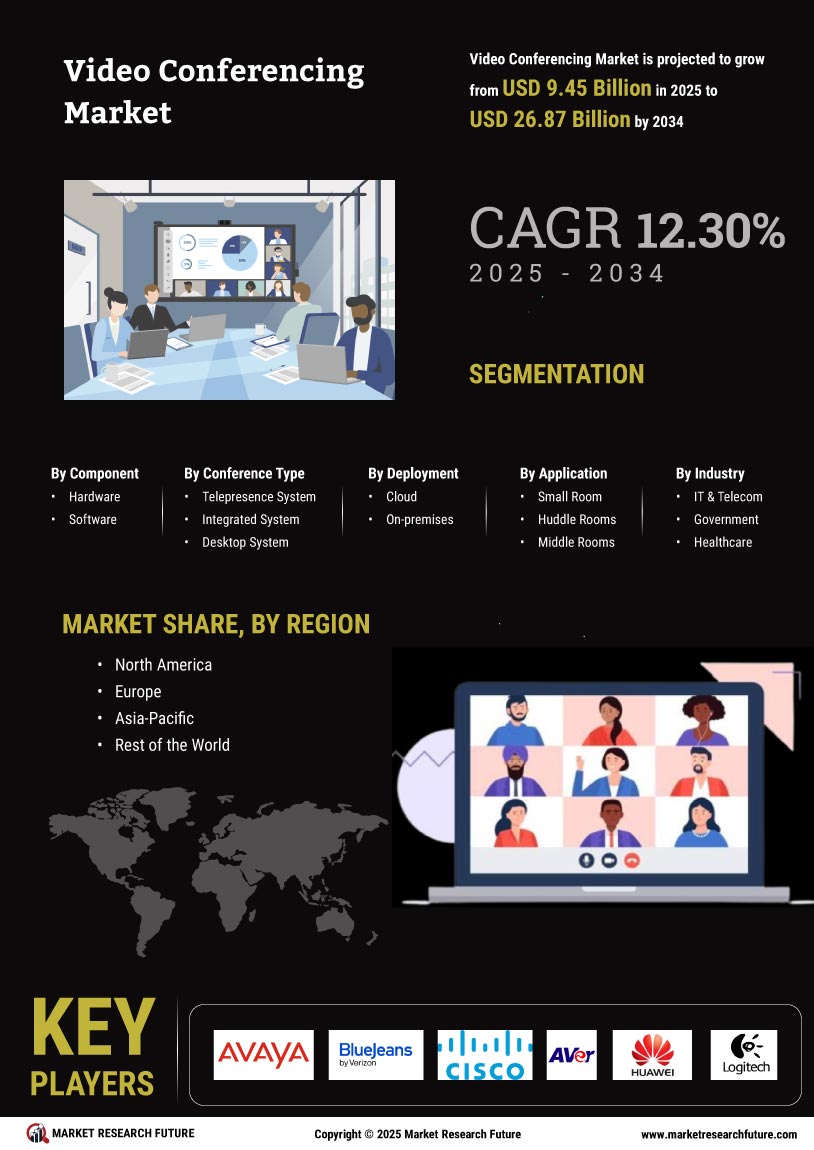
  • The video conferencing market has experienced unprecedented growth due to the COVID-19 pandemic, which forced organizations and individuals to adapt to remote communication. As lockdowns and social distancing measures were implemented worldwide, video conferencing emerged as a vital tool for maintaining connectivity and collaboration. This article examines the impact of COVID-19 on the video conferencing market and the lasting changes it has brought.

    In the early months of the pandemic, video conferencing platforms saw a surge in usage as businesses transitioned to remote work. Companies that had previously relied on in-person meetings quickly adopted video conferencing solutions to facilitate communication and collaboration. This sudden shift led to a significant increase in demand for platforms like Zoom, Microsoft Teams, and Cisco Webex, which became household names almost overnight.

    The pandemic also accelerated the adoption of video conferencing in sectors that had previously been hesitant to embrace remote communication. For example, educational institutions rapidly transitioned to online learning, relying on video conferencing tools to conduct virtual classes and engage with students. This shift not only highlighted the importance of video conferencing in education but also demonstrated its potential for enhancing learning experiences.

    As organizations adapted to remote work, they began to recognize the benefits of video conferencing beyond mere communication. Video conferencing solutions enabled teams to maintain productivity, foster collaboration, and build relationships despite physical distance. Many companies discovered that virtual meetings could be just as effective as in-person gatherings, leading to a reevaluation of traditional work practices.

    The COVID-19 pandemic also prompted innovations in video conferencing technology. Companies responded to the surge in demand by rapidly developing new features and enhancements to improve user experience. For instance, platforms introduced features such as virtual backgrounds, breakout rooms, and enhanced security measures to address the unique challenges posed by remote communication. These innovations have become standard offerings, shaping the future of video conferencing.

    Looking ahead, the impact of COVID-19 on the video conferencing market is likely to be long-lasting. As organizations consider hybrid work models that combine remote and in-person interactions, the demand for video conferencing solutions will remain strong. Companies are expected to continue investing in video conferencing technology to support flexible work arrangements and maintain effective communication.

    In conclusion, the COVID-19 pandemic has fundamentally transformed the video conferencing market, driving unprecedented growth and innovation. As organizations adapt to new communication paradigms, the lessons learned during this period will shape the future of work. Video conferencing will continue to play a crucial role in facilitating collaboration and connectivity, making it an indispensable tool for businesses and individuals alike.@https://www.marketresearchfuture.com/reports/video-conferencing-market-12044
    The video conferencing market has experienced unprecedented growth due to the COVID-19 pandemic, which forced organizations and individuals to adapt to remote communication. As lockdowns and social distancing measures were implemented worldwide, video conferencing emerged as a vital tool for maintaining connectivity and collaboration. This article examines the impact of COVID-19 on the video conferencing market and the lasting changes it has brought. In the early months of the pandemic, video conferencing platforms saw a surge in usage as businesses transitioned to remote work. Companies that had previously relied on in-person meetings quickly adopted video conferencing solutions to facilitate communication and collaboration. This sudden shift led to a significant increase in demand for platforms like Zoom, Microsoft Teams, and Cisco Webex, which became household names almost overnight. The pandemic also accelerated the adoption of video conferencing in sectors that had previously been hesitant to embrace remote communication. For example, educational institutions rapidly transitioned to online learning, relying on video conferencing tools to conduct virtual classes and engage with students. This shift not only highlighted the importance of video conferencing in education but also demonstrated its potential for enhancing learning experiences. As organizations adapted to remote work, they began to recognize the benefits of video conferencing beyond mere communication. Video conferencing solutions enabled teams to maintain productivity, foster collaboration, and build relationships despite physical distance. Many companies discovered that virtual meetings could be just as effective as in-person gatherings, leading to a reevaluation of traditional work practices. The COVID-19 pandemic also prompted innovations in video conferencing technology. Companies responded to the surge in demand by rapidly developing new features and enhancements to improve user experience. For instance, platforms introduced features such as virtual backgrounds, breakout rooms, and enhanced security measures to address the unique challenges posed by remote communication. These innovations have become standard offerings, shaping the future of video conferencing. Looking ahead, the impact of COVID-19 on the video conferencing market is likely to be long-lasting. As organizations consider hybrid work models that combine remote and in-person interactions, the demand for video conferencing solutions will remain strong. Companies are expected to continue investing in video conferencing technology to support flexible work arrangements and maintain effective communication. In conclusion, the COVID-19 pandemic has fundamentally transformed the video conferencing market, driving unprecedented growth and innovation. As organizations adapt to new communication paradigms, the lessons learned during this period will shape the future of work. Video conferencing will continue to play a crucial role in facilitating collaboration and connectivity, making it an indispensable tool for businesses and individuals alike.@https://www.marketresearchfuture.com/reports/video-conferencing-market-12044
    WWW.MARKETRESEARCHFUTURE.COM
    Video Conferencing Market Size, Global Reports - 2035
    Video Conferencing Market is Expected to Reach USD 30.18 Billion By 2035, Growing at a CAGR of 12.30% During 2025 - 2035 | Driven By Technological Advancements, Remote
    0 Reacties 0 aandelen 673 Views
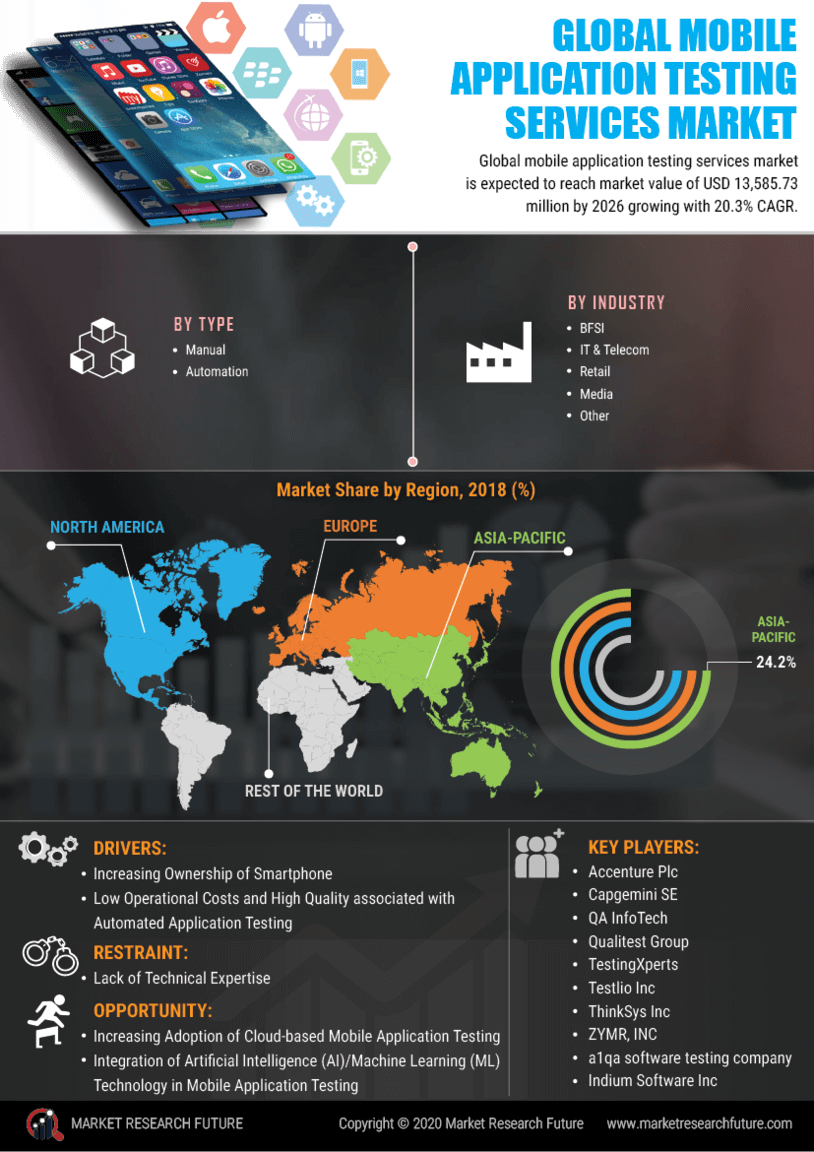
  • User experience (UX) has become a critical focus in the mobile application testing services market. As businesses strive to deliver high-quality applications, understanding the importance of user experience testing is essential. The Mobile Application Testing Services Market is evolving, and prioritizing UX testing can significantly impact application success.

    User experience testing involves evaluating how users interact with an application, assessing its usability, design, and overall satisfaction. In a crowded app marketplace, where users have countless options, delivering an exceptional user experience is paramount for retaining customers. Applications that are intuitive, easy to navigate, and visually appealing are more likely to attract and retain users.

    One of the key benefits of user experience testing is that it provides valuable insights into user behavior. By gathering feedback from real users, businesses can identify pain points and areas for improvement. This feedback can inform design decisions and help developers create applications that better align with user expectations. Understanding user preferences and behaviors is essential for creating applications that resonate with the target audience.

    Usability testing is a crucial component of user experience testing. It involves observing users as they interact with the application, identifying any difficulties they encounter. Usability testing can reveal issues related to navigation, layout, and functionality, allowing businesses to make necessary adjustments before launch. By prioritizing usability, companies can enhance the overall user experience and reduce the risk of negative reviews.

    A/B testing is another effective method for evaluating user experience. This approach involves presenting users with two variations of the application to determine which version performs better. A/B testing can provide insights into user preferences, helping businesses make data-driven decisions about design and functionality. By continuously testing and iterating based on user feedback, companies can optimize their applications for better performance.

    The importance of user experience extends beyond initial testing. Continuous monitoring of user feedback and behavior after the application launch is essential for ongoing improvement. Businesses should actively seek user feedback and analyze usage patterns to identify areas for enhancement. This commitment to continuous improvement can lead to higher user satisfaction and increased retention rates.

    In conclusion, user experience plays a vital role in the mobile application testing services market. By prioritizing UX testing, businesses can gain valuable insights into user behavior, identify pain points, and create applications that meet user expectations. Investing in user experience testing is not just a best practice; it is a strategic imperative for companies seeking to thrive in the competitive mobile app landscape.@https://www.marketresearchfuture.com/reports/mobile-application-testing-services-market-8615
    User experience (UX) has become a critical focus in the mobile application testing services market. As businesses strive to deliver high-quality applications, understanding the importance of user experience testing is essential. The Mobile Application Testing Services Market is evolving, and prioritizing UX testing can significantly impact application success. User experience testing involves evaluating how users interact with an application, assessing its usability, design, and overall satisfaction. In a crowded app marketplace, where users have countless options, delivering an exceptional user experience is paramount for retaining customers. Applications that are intuitive, easy to navigate, and visually appealing are more likely to attract and retain users. One of the key benefits of user experience testing is that it provides valuable insights into user behavior. By gathering feedback from real users, businesses can identify pain points and areas for improvement. This feedback can inform design decisions and help developers create applications that better align with user expectations. Understanding user preferences and behaviors is essential for creating applications that resonate with the target audience. Usability testing is a crucial component of user experience testing. It involves observing users as they interact with the application, identifying any difficulties they encounter. Usability testing can reveal issues related to navigation, layout, and functionality, allowing businesses to make necessary adjustments before launch. By prioritizing usability, companies can enhance the overall user experience and reduce the risk of negative reviews. A/B testing is another effective method for evaluating user experience. This approach involves presenting users with two variations of the application to determine which version performs better. A/B testing can provide insights into user preferences, helping businesses make data-driven decisions about design and functionality. By continuously testing and iterating based on user feedback, companies can optimize their applications for better performance. The importance of user experience extends beyond initial testing. Continuous monitoring of user feedback and behavior after the application launch is essential for ongoing improvement. Businesses should actively seek user feedback and analyze usage patterns to identify areas for enhancement. This commitment to continuous improvement can lead to higher user satisfaction and increased retention rates. In conclusion, user experience plays a vital role in the mobile application testing services market. By prioritizing UX testing, businesses can gain valuable insights into user behavior, identify pain points, and create applications that meet user expectations. Investing in user experience testing is not just a best practice; it is a strategic imperative for companies seeking to thrive in the competitive mobile app landscape.@https://www.marketresearchfuture.com/reports/mobile-application-testing-services-market-8615
    WWW.MARKETRESEARCHFUTURE.COM
    Mobile Application Testing Services Market Size, Trends - 2032
    Mobile Application Testing Services Market size is projected to grow USD 18.765 Billion by 2032, exhibiting a CAGR of 13.1% during the forecast period 2024-2032.
    0 Reacties 0 aandelen 663 Views
  • The future of the Storage as a Service market looks promising, with emerging technologies like artificial intelligence (AI) and machine learning (ML) set to enhance data management capabilities. As businesses increasingly adopt cloud solutions, the market is expected to evolve significantly. For insights into these trends, check the Storage as a Service Market.

    One of the most significant trends shaping the STaaS market is the growing integration of AI and ML technologies. These advancements enable providers to offer smarter storage solutions that can automatically optimize data placement, improve retrieval times, and enhance security measures. By leveraging these technologies, organizations can gain valuable insights from their data, driving better decision-making and operational efficiency.

    Additionally, the demand for hybrid storage solutions that combine on-premises and cloud storage is on the rise. Many organizations are recognizing the benefits of a hybrid approach, as it allows them to maintain control over sensitive data while leveraging the scalability and cost-effectiveness of cloud storage. This trend is expected to continue as businesses seek to balance their storage needs with regulatory compliance and security concerns.

    Sustainability initiatives are also becoming increasingly important in the STaaS market. As organizations strive to reduce their carbon footprints, many are turning to eco-friendly storage solutions that utilize energy-efficient technologies and practices. Providers that prioritize sustainability may gain a competitive advantage as businesses seek to align with environmentally responsible partners.

    Moreover, the market is likely to see an increase in specialized STaaS offerings tailored to specific industries, such as healthcare, finance, and education. These tailored solutions can address unique regulatory requirements and operational challenges, providing organizations with more effective storage options.

    In conclusion, the future of the Storage as a Service market is characterized by technological advancements, evolving customer needs, and a growing emphasis on sustainability. As these trends continue to shape the landscape, organizations that stay ahead of the curve will be better positioned to leverage the benefits of STaaS.@https://www.marketresearchfuture.com/reports/storage-as-a-service-market-26488
    The future of the Storage as a Service market looks promising, with emerging technologies like artificial intelligence (AI) and machine learning (ML) set to enhance data management capabilities. As businesses increasingly adopt cloud solutions, the market is expected to evolve significantly. For insights into these trends, check the Storage as a Service Market. One of the most significant trends shaping the STaaS market is the growing integration of AI and ML technologies. These advancements enable providers to offer smarter storage solutions that can automatically optimize data placement, improve retrieval times, and enhance security measures. By leveraging these technologies, organizations can gain valuable insights from their data, driving better decision-making and operational efficiency. Additionally, the demand for hybrid storage solutions that combine on-premises and cloud storage is on the rise. Many organizations are recognizing the benefits of a hybrid approach, as it allows them to maintain control over sensitive data while leveraging the scalability and cost-effectiveness of cloud storage. This trend is expected to continue as businesses seek to balance their storage needs with regulatory compliance and security concerns. Sustainability initiatives are also becoming increasingly important in the STaaS market. As organizations strive to reduce their carbon footprints, many are turning to eco-friendly storage solutions that utilize energy-efficient technologies and practices. Providers that prioritize sustainability may gain a competitive advantage as businesses seek to align with environmentally responsible partners. Moreover, the market is likely to see an increase in specialized STaaS offerings tailored to specific industries, such as healthcare, finance, and education. These tailored solutions can address unique regulatory requirements and operational challenges, providing organizations with more effective storage options. In conclusion, the future of the Storage as a Service market is characterized by technological advancements, evolving customer needs, and a growing emphasis on sustainability. As these trends continue to shape the landscape, organizations that stay ahead of the curve will be better positioned to leverage the benefits of STaaS.@https://www.marketresearchfuture.com/reports/storage-as-a-service-market-26488
    WWW.MARKETRESEARCHFUTURE.COM
    Storage As A Service Market Size | Industry Forecast 2035
    Storage As A Service Market Is Projected To Reach a Valuation of $ 480.48B by 2035, Growing at a CAGR of 17.72% During 2025 - 2035 | Increasing Elderly Population
    0 Reacties 0 aandelen 613 Views
  • The Supply Chain as a Service (SCaaS) market is poised for significant growth in the coming years. As technology continues to advance, the future of SCaaS looks promising, with new innovations transforming the landscape. Businesses are increasingly recognizing the value of SCaaS in enhancing supply chain efficiency, reducing costs, and improving customer satisfaction. This article will explore predictions for market growth, the impact of emerging technologies, evolving customer expectations, sustainability trends, and strategic recommendations for businesses looking to leverage SCaaS.

    Predictions for market growth indicate that the SCaaS sector will continue to expand as more organizations adopt this model. According to industry analysts, the demand for SCaaS solutions is expected to increase significantly, driven by factors such as globalization, e-commerce growth, and the need for agile supply chains. Businesses are seeking integrated solutions that combine logistics, inventory management, and data analytics to enhance overall supply chain performance. As a result, SCaaS providers are likely to invest in technology and innovation to meet the evolving needs of their clients.

    Emerging technologies, such as artificial intelligence (AI), the Internet of Things (IoT), and blockchain, are set to play a crucial role in shaping the future of SCaaS. AI can enhance decision-making processes by providing predictive analytics and optimizing supply chain operations. IoT devices enable real-time tracking of shipments and inventory, improving visibility and control. Blockchain technology offers enhanced security and transparency, ensuring the integrity of supply chain transactions. As these technologies continue to evolve, SCaaS providers will need to integrate them into their service offerings to remain competitive.

    Evolving customer expectations are also influencing the future of SCaaS. Customers are demanding faster delivery times, greater transparency, and improved service levels. To meet these expectations, businesses must adopt agile supply chain practices and leverage SCaaS solutions that enable rapid response to changing market conditions. SCaaS providers that can deliver exceptional customer experiences will be well-positioned for success in the future.

    Sustainability trends are becoming increasingly important in the SCaaS market. Businesses are under pressure to adopt environmentally friendly practices and reduce their carbon footprint. SCaaS providers are responding by offering sustainable logistics solutions, such as green transportation options and eco-friendly packaging. Companies that prioritize sustainability in their supply chain operations are likely to enhance their brand reputation and attract environmentally conscious consumers.@https://www.marketresearchfuture.com/reports/supply-chain-as-a-service-scaas-market-26450
    The Supply Chain as a Service (SCaaS) market is poised for significant growth in the coming years. As technology continues to advance, the future of SCaaS looks promising, with new innovations transforming the landscape. Businesses are increasingly recognizing the value of SCaaS in enhancing supply chain efficiency, reducing costs, and improving customer satisfaction. This article will explore predictions for market growth, the impact of emerging technologies, evolving customer expectations, sustainability trends, and strategic recommendations for businesses looking to leverage SCaaS. Predictions for market growth indicate that the SCaaS sector will continue to expand as more organizations adopt this model. According to industry analysts, the demand for SCaaS solutions is expected to increase significantly, driven by factors such as globalization, e-commerce growth, and the need for agile supply chains. Businesses are seeking integrated solutions that combine logistics, inventory management, and data analytics to enhance overall supply chain performance. As a result, SCaaS providers are likely to invest in technology and innovation to meet the evolving needs of their clients. Emerging technologies, such as artificial intelligence (AI), the Internet of Things (IoT), and blockchain, are set to play a crucial role in shaping the future of SCaaS. AI can enhance decision-making processes by providing predictive analytics and optimizing supply chain operations. IoT devices enable real-time tracking of shipments and inventory, improving visibility and control. Blockchain technology offers enhanced security and transparency, ensuring the integrity of supply chain transactions. As these technologies continue to evolve, SCaaS providers will need to integrate them into their service offerings to remain competitive. Evolving customer expectations are also influencing the future of SCaaS. Customers are demanding faster delivery times, greater transparency, and improved service levels. To meet these expectations, businesses must adopt agile supply chain practices and leverage SCaaS solutions that enable rapid response to changing market conditions. SCaaS providers that can deliver exceptional customer experiences will be well-positioned for success in the future. Sustainability trends are becoming increasingly important in the SCaaS market. Businesses are under pressure to adopt environmentally friendly practices and reduce their carbon footprint. SCaaS providers are responding by offering sustainable logistics solutions, such as green transportation options and eco-friendly packaging. Companies that prioritize sustainability in their supply chain operations are likely to enhance their brand reputation and attract environmentally conscious consumers.@https://www.marketresearchfuture.com/reports/supply-chain-as-a-service-scaas-market-26450
    WWW.MARKETRESEARCHFUTURE.COM
    Supply Chain As A Service Scaas Market Report 2035 | MRFR
    Supply Chain As A Service Scaas Market Is Projected To Reach $ 396.42B by 2035, Growing at a CAGR of 20.96% During 2025 - 2035 | Integration Of Ai Technologies
    0 Reacties 0 aandelen 599 Views
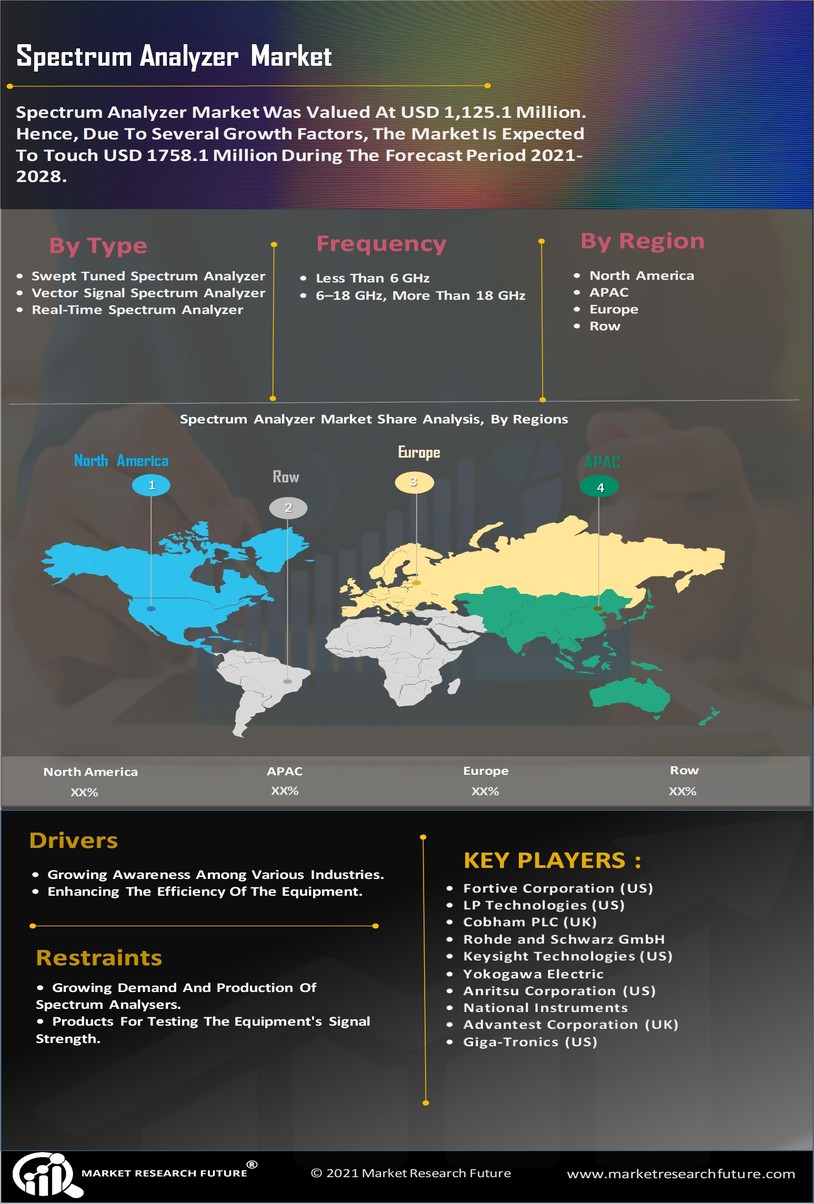
  • The spectrum analyzer market is integral to research and development across various scientific fields. Researchers rely on precise frequency analysis to innovate and test new theories. Spectrum analyzers are essential tools in laboratories, providing critical data on signal characteristics that inform experiments and validate hypotheses. The ability to measure and analyze signals accurately is vital for researchers in fields such as physics, engineering, and material science.

    In physics, spectrum analyzers are used to study the properties of electromagnetic waves, allowing researchers to explore fundamental principles and test theories. Engineers utilize spectrum analyzers to develop and refine new technologies, ensuring that designs meet performance specifications. In material science, spectrum analyzers play a crucial role in characterizing materials and understanding their properties, enabling the development of new materials with desired characteristics.

    Case studies of research projects highlight the significant impact of spectrum analyzers in fostering innovation. For example, a research team studying wireless communication technologies utilized spectrum analyzers to analyze signal propagation in various environments. The data collected enabled the team to develop new algorithms for optimizing signal transmission, leading to improvements in communication system performance. Similarly, researchers investigating new materials used spectrum analyzers to assess the electromagnetic properties of their samples, informing their design choices and experimental approaches.

    As the landscape of research and development continues to evolve, the demand for advanced spectrum analyzers is expected to grow. Emerging technologies, such as 5G and the Internet of Things (IoT), will drive the need for more sophisticated analysis tools to manage the increasing complexity of signals. Additionally, the integration of artificial intelligence and machine learning into spectrum analysis will further enhance researchers' capabilities, enabling automated signal detection and classification.@https://www.marketresearchfuture.com/reports/spectrum-analyzer-market-7403
    The spectrum analyzer market is integral to research and development across various scientific fields. Researchers rely on precise frequency analysis to innovate and test new theories. Spectrum analyzers are essential tools in laboratories, providing critical data on signal characteristics that inform experiments and validate hypotheses. The ability to measure and analyze signals accurately is vital for researchers in fields such as physics, engineering, and material science. In physics, spectrum analyzers are used to study the properties of electromagnetic waves, allowing researchers to explore fundamental principles and test theories. Engineers utilize spectrum analyzers to develop and refine new technologies, ensuring that designs meet performance specifications. In material science, spectrum analyzers play a crucial role in characterizing materials and understanding their properties, enabling the development of new materials with desired characteristics. Case studies of research projects highlight the significant impact of spectrum analyzers in fostering innovation. For example, a research team studying wireless communication technologies utilized spectrum analyzers to analyze signal propagation in various environments. The data collected enabled the team to develop new algorithms for optimizing signal transmission, leading to improvements in communication system performance. Similarly, researchers investigating new materials used spectrum analyzers to assess the electromagnetic properties of their samples, informing their design choices and experimental approaches. As the landscape of research and development continues to evolve, the demand for advanced spectrum analyzers is expected to grow. Emerging technologies, such as 5G and the Internet of Things (IoT), will drive the need for more sophisticated analysis tools to manage the increasing complexity of signals. Additionally, the integration of artificial intelligence and machine learning into spectrum analysis will further enhance researchers' capabilities, enabling automated signal detection and classification.@https://www.marketresearchfuture.com/reports/spectrum-analyzer-market-7403
    WWW.MARKETRESEARCHFUTURE.COM
    Spectrum Analyzer Market Size, Growth Analysis - 2030
    The Spectrum Analyzer Market size is projected to grow USD 2.6 Billion by 2030, exhibiting a CAGR of 8.24% during the forecast period 2024 - 2030.
    0 Reacties 0 aandelen 560 Views
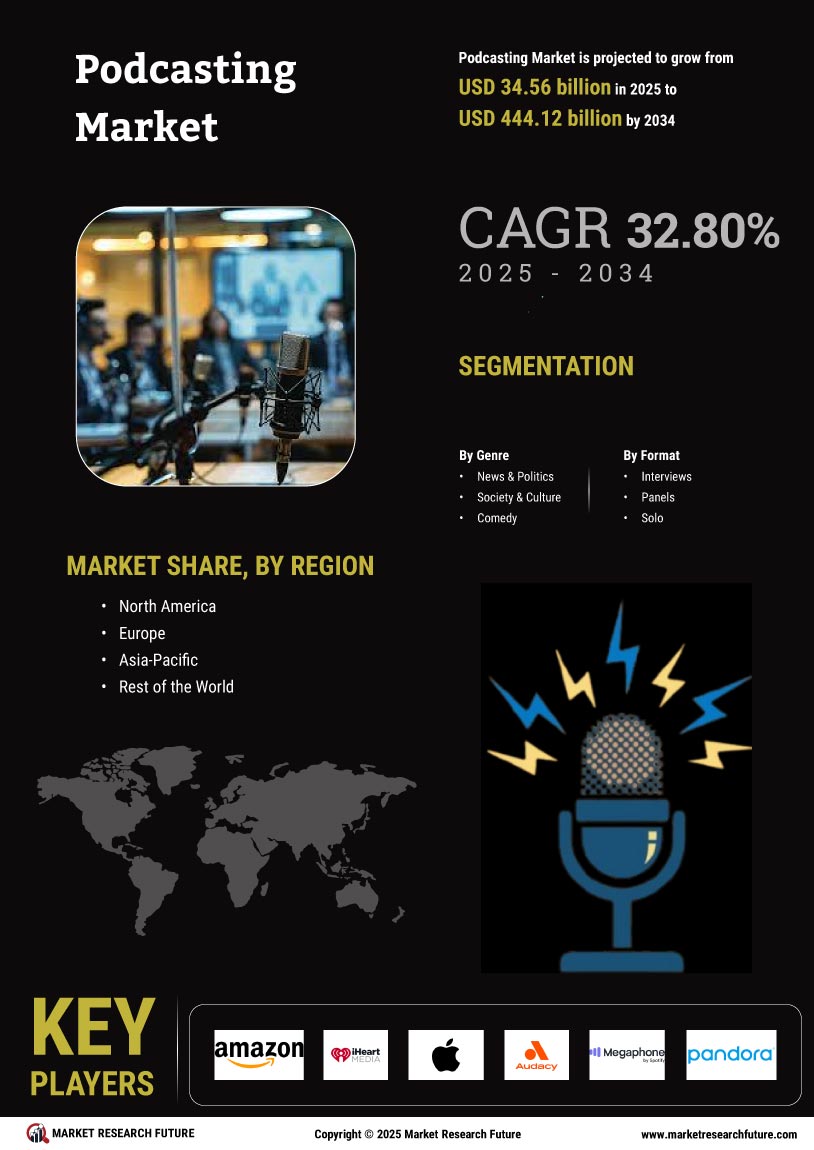
  • The podcasting market is constantly evolving, driven by technological advancements and changing consumer preferences. As we look to the future, several trends are shaping the landscape of podcasting and the way audiences engage with audio content.

    One of the most notable emerging trends in the podcasting market is the rise of interactive podcasts. Leveraging advancements in voice technology and artificial intelligence, some podcasters are experimenting with interactive elements that allow listeners to actively participate in the content. This could include features like voice-controlled navigation, real-time polls and quizzes, or even the ability to influence the narrative direction of a story-driven podcast.

    These interactive experiences not only enhance listener engagement but also open up new avenues for monetization, such as premium subscriptions or in-episode purchases. As audiences become more accustomed to interactive content across various media platforms, the demand for immersive and participatory podcast experiences is likely to grow.

    Another trend shaping the future of the podcasting market is the advancement in audio technology. Innovations in areas like spatial audio, high-definition recording, and voice enhancement are elevating the overall listening experience. Podcasters are now able to create more immersive and cinematic audio environments, transporting listeners to different settings or even simulating the presence of multiple speakers.

    These technological advancements not only improve the production quality of podcasts but also enable creators to experiment with new storytelling techniques and audio formats. As listeners become more discerning and accustomed to high-fidelity audio, the pressure on podcasters to deliver exceptional sound quality will continue to increase.

    The growing importance of data analytics in the podcasting market is another trend worth noting. As the industry matures, creators and advertisers are placing greater emphasis on understanding listener behavior, preferences, and engagement metrics. By leveraging data-driven insights, podcasters can make more informed decisions about content strategy, audience targeting, and monetization opportunities.

    Platforms like Spotify and Apple Podcasts are leading the charge in this regard, providing podcasters with detailed analytics on listener demographics, episode performance, and advertising effectiveness. This data-driven approach allows creators to optimize their content, identify emerging trends, and better serve the evolving needs of their audience.

    Furthermore, the integration of podcasts with other digital platforms and technologies is expected to shape the future of the market. The seamless integration of podcasts with smart speakers, in-car infotainment systems, and even social media platforms can enhance discoverability and facilitate more natural consumption habits.

    As voice-activated assistants like Alexa and Google Assistant become more prevalent, the ability to discover, play, and interact with podcasts through voice commands will become increasingly important. Podcasters who adapt their content and distribution strategies to these emerging platforms will be well-positioned to capitalize on the growing demand for voice-enabled audio experiences.@https://www.marketresearchfuture.com/reports/podcasting-market-11678
    The podcasting market is constantly evolving, driven by technological advancements and changing consumer preferences. As we look to the future, several trends are shaping the landscape of podcasting and the way audiences engage with audio content. One of the most notable emerging trends in the podcasting market is the rise of interactive podcasts. Leveraging advancements in voice technology and artificial intelligence, some podcasters are experimenting with interactive elements that allow listeners to actively participate in the content. This could include features like voice-controlled navigation, real-time polls and quizzes, or even the ability to influence the narrative direction of a story-driven podcast. These interactive experiences not only enhance listener engagement but also open up new avenues for monetization, such as premium subscriptions or in-episode purchases. As audiences become more accustomed to interactive content across various media platforms, the demand for immersive and participatory podcast experiences is likely to grow. Another trend shaping the future of the podcasting market is the advancement in audio technology. Innovations in areas like spatial audio, high-definition recording, and voice enhancement are elevating the overall listening experience. Podcasters are now able to create more immersive and cinematic audio environments, transporting listeners to different settings or even simulating the presence of multiple speakers. These technological advancements not only improve the production quality of podcasts but also enable creators to experiment with new storytelling techniques and audio formats. As listeners become more discerning and accustomed to high-fidelity audio, the pressure on podcasters to deliver exceptional sound quality will continue to increase. The growing importance of data analytics in the podcasting market is another trend worth noting. As the industry matures, creators and advertisers are placing greater emphasis on understanding listener behavior, preferences, and engagement metrics. By leveraging data-driven insights, podcasters can make more informed decisions about content strategy, audience targeting, and monetization opportunities. Platforms like Spotify and Apple Podcasts are leading the charge in this regard, providing podcasters with detailed analytics on listener demographics, episode performance, and advertising effectiveness. This data-driven approach allows creators to optimize their content, identify emerging trends, and better serve the evolving needs of their audience. Furthermore, the integration of podcasts with other digital platforms and technologies is expected to shape the future of the market. The seamless integration of podcasts with smart speakers, in-car infotainment systems, and even social media platforms can enhance discoverability and facilitate more natural consumption habits. As voice-activated assistants like Alexa and Google Assistant become more prevalent, the ability to discover, play, and interact with podcasts through voice commands will become increasingly important. Podcasters who adapt their content and distribution strategies to these emerging platforms will be well-positioned to capitalize on the growing demand for voice-enabled audio experiences.@https://www.marketresearchfuture.com/reports/podcasting-market-11678
    WWW.MARKETRESEARCHFUTURE.COM
    Podcasting Market Size, Growth Report - 2035
    Podcasting Market is Estimated to Grow $ 589.81B By 2035, Reaching at a CAGR of 32.80% During the Forecast Period 2025 - 2035 | Drives Market Growth trend
    0 Reacties 0 aandelen 572 Views